
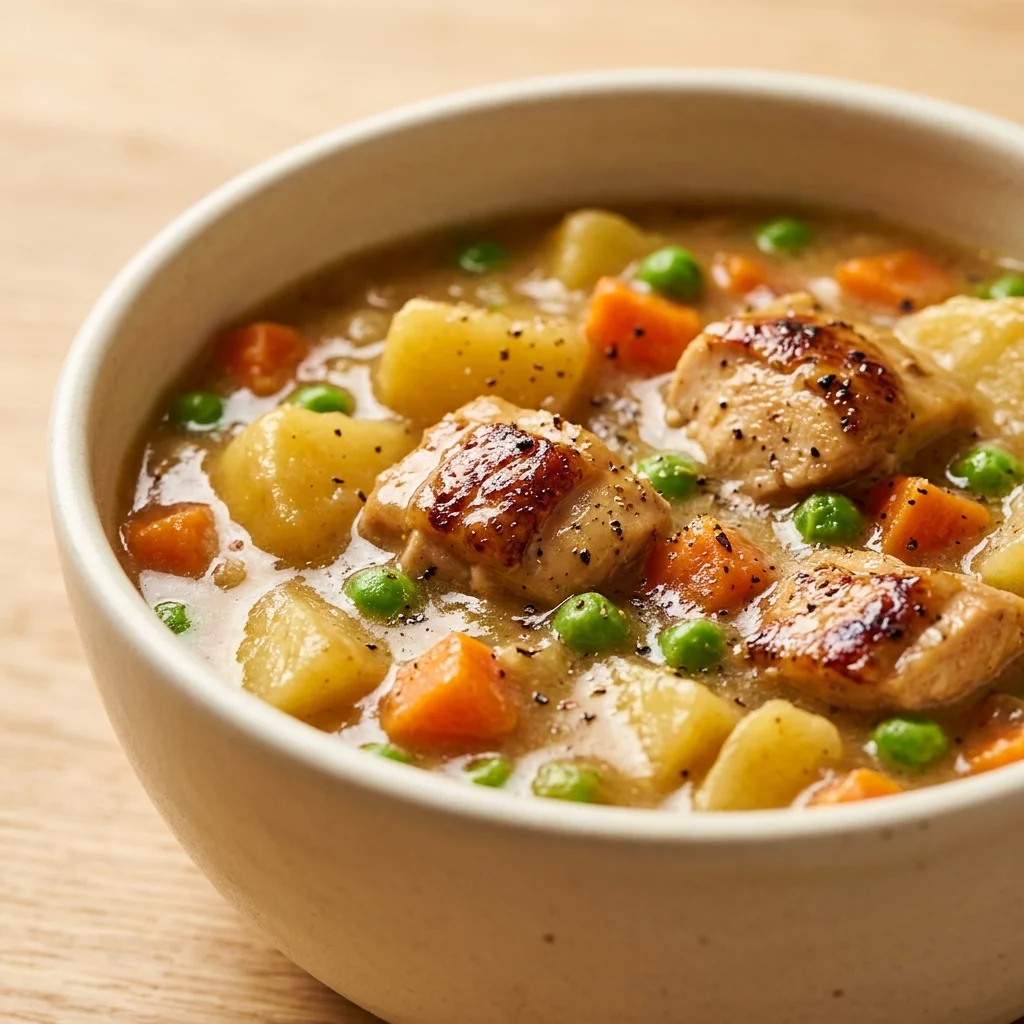
Best Hearty Chicken Stew One-Pot Winter Comfort
This hearty chicken stew recipe came out of a week where the boiler broke and the flat stayed cold for four days straight. Soup wasn’t going to cut it the goal was something thick enough to actually sit in the stomach and warm the whole body from the inside, the kind of dinner that needs a spoon that stands up in the bowl.
The first version was thin. Good flavor, disappointing texture more like a chicken soup with delusions of being a stew. The vegetables were right, the chicken was right, but the broth ran off the spoon instead of clinging to it.
The fix was almost entirely about technique rather than ingredients: searing the chicken properly before it goes anywhere near liquid, building a proper roux instead of relying on the vegetables to thicken things naturally, and adding the vegetables in stages instead of all at once.
Here’s the full method, with the timing that actually gets the texture right.
Why Searing Changes This Hearty Chicken Stew Completely
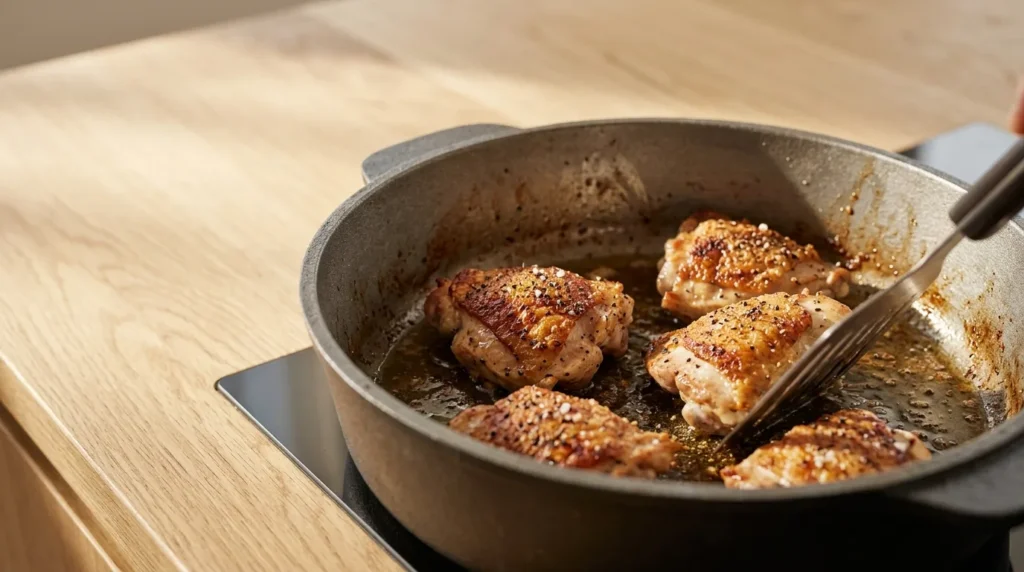
Skipping the sear and going straight to simmering is the single biggest reason home stews taste flatter than they should. Searing the chicken in a hot, dry pot before adding any liquid creates browning on the meat and a layer of caramelized fond stuck to the bottom of the pot and that fond is pure flavor that dissolves straight into the broth once the liquid goes in.
Skip the sear, and the chicken essentially poaches instead of stews. It’s not a subtle difference a seared-first stew tastes rounder and deeper by the time it’s done, without adding a single extra ingredient.
About This Recipe
This one was tested three ways: a quick one-pot version using cornstarch to thicken, a slower version built on a proper flour roux, and a slow cooker version for comparison. The roux-based stovetop method won clearly on both texture and flavour, and it’s the version below.
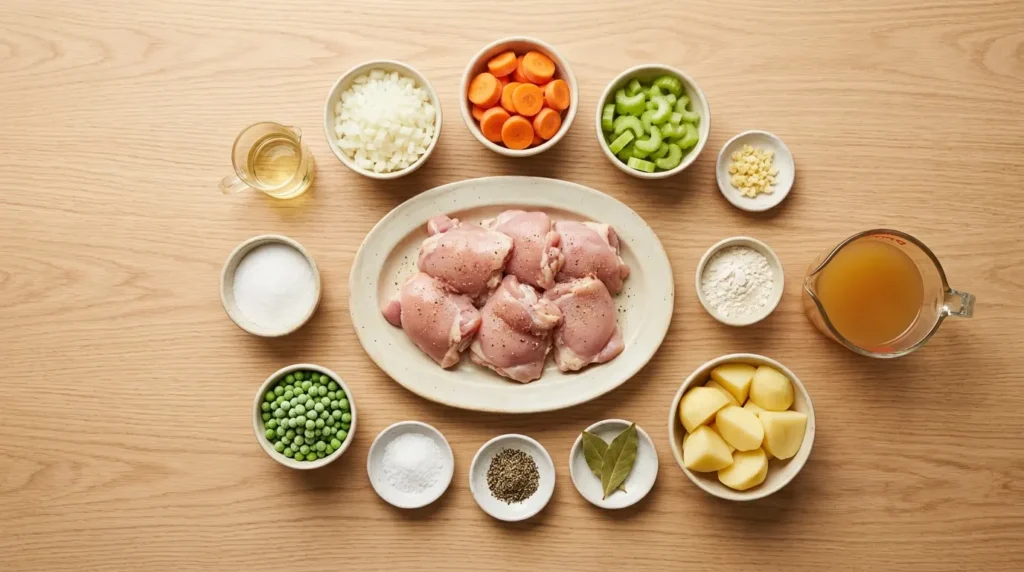
Ingredients
- Boneless skinless chicken thighs — 900g, cut into large chunks
- Neutral oil — 2 tbsp
- Yellow onion — 1 large, diced
- Carrots — 3 medium, sliced into thick rounds
- Celery — 2 stalks, sliced
- Garlic — 3 cloves, minced
- All-purpose flour — 3 tbsp
- Chicken stock — 1 litre
- Potatoes — 2 medium (Yukon Gold or similar), cut into large chunks
- Bay leaves — 2
- Dried thyme — 1 tsp
- Salt and black pepper — to taste
- Frozen peas — 100g, added at the end
Ingredient Substitutions
Chicken breast can replace thighs, but reduce the total simmer time by about 10 minutes to prevent it drying out breast has far less fat to protect it through a long stew.
No fresh celery? A pinch of celery salt in the stock works in a pinch, though the texture from the fresh stalks is worth keeping if possible.
Sweet potato can replace regular potato for a slightly sweeter, softer result reduce the simmer time on that stage by 5 minutes, as sweet potato breaks down faster.
Cornstarch slurry (2 tbsp. cornstarch mixed with 2 tbsp. cold water) can replace the flour roux if needed stir it in during the final 5 minutes rather than at the start. It thickens fast but gives a slightly glossier, less rustic texture than a roux.
Step-by-Step Instructions
Step 1: Sear the Chicken
Heat oil in a large heavy pot over medium-high heat. Season the chicken chunks with salt and pepper, then sear in batches (don’t crowd the pot) for 3 to 4 minutes per side until deeply browned. Remove and set aside it doesn’t need to be cooked through yet.
Step 2: Build the Base
In the same pot, add onion, carrots, and celery. Cook for 5 to 6 minutes until the onion softens and the fond on the bottom of the pot starts to loosen. Add garlic for the final minute.
Step 3: Make the Roux
Sprinkle flour directly over the vegetables and stir constantly for 1 to 2 minutes, coating everything evenly. This cooks out the raw flour taste and sets up the stew’s thickness before any liquid goes in the step most quick recipes skip entirely.
Step 4: Add Liquid and the Chicken
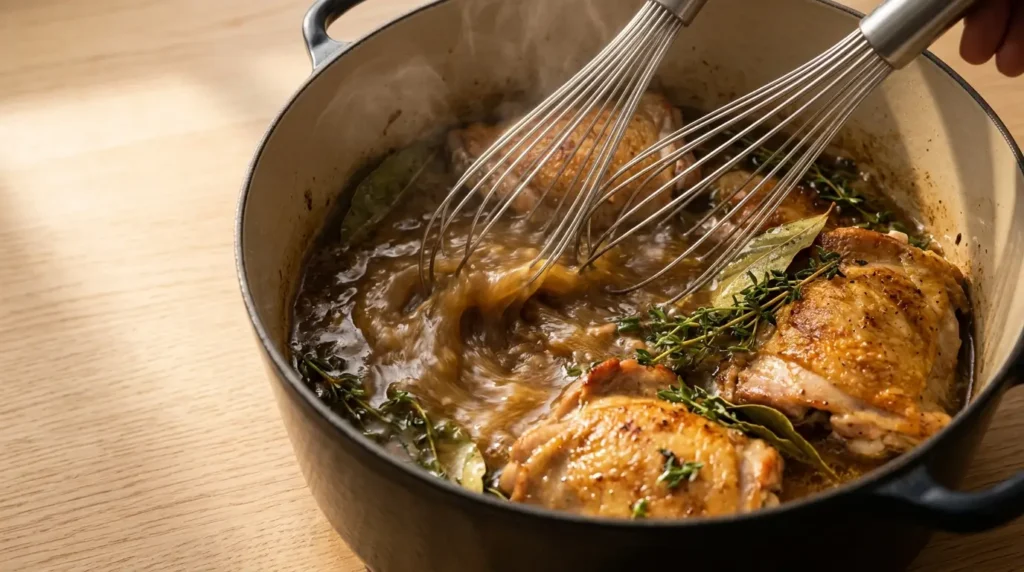
Slowly pour in the chicken stock while stirring, scraping up any browned bits from the bottom of the pot. Return the seared chicken to the pot along with bay leaves and thyme. Bring to a simmer.
Step 5: Simmer
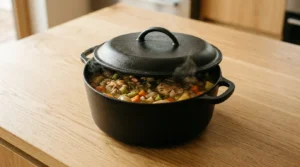
Cover and simmer on low for 25 minutes.
Step 6: Add the Potatoes
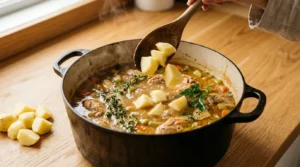
Add the potato chunks and continue simmering, uncovered, for another 25 minutes, until the potatoes are fork-tender and the chicken reaches 165°F (74°C).
Potatoes go in later than the other vegetables on purpose added at the start, they’d turn mushy and start disintegrating into the broth well before the carrots and celery are ready.
Step 7: Finish
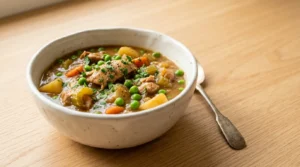
Stir in the frozen peas during the final 3 minutes just long enough to heat through without turning grey and overcooked. Remove bay leaves, taste, and adjust seasoning.
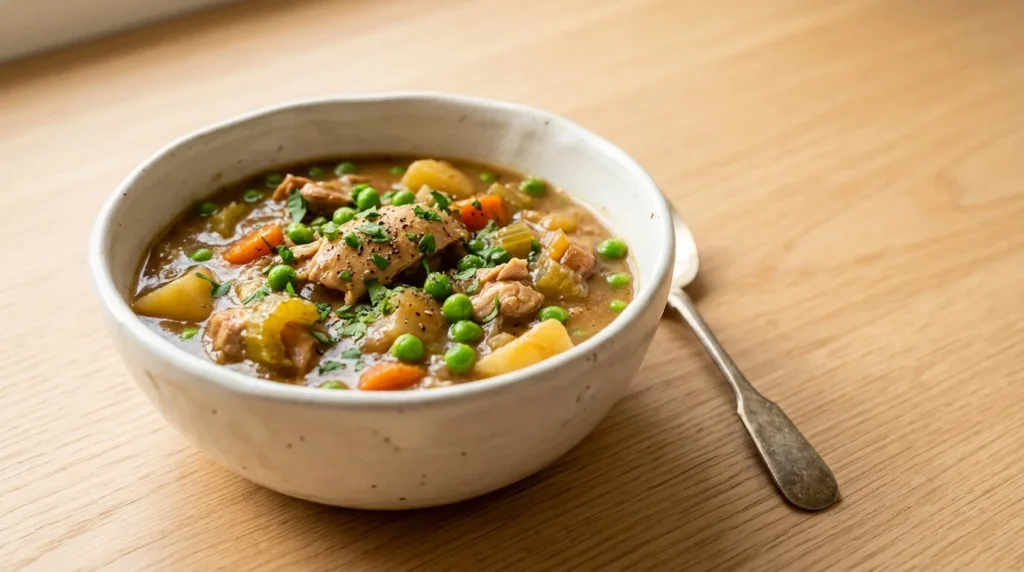
What Went Wrong in Early Testing
Round 1: Skipped searing, went straight to simmering the raw chicken.
The stew tasted noticeably flatter, and the chicken had a slightly poached, pale texture rather than the deeper flavour a proper sear gives. Lesson: the sear is not a skippable step, even though it adds 8 minutes.
Round 2: Added potatoes at the very start with the other vegetables.
By the time the carrots were properly tender, the potatoes had started falling apart into the broth, thickening it in an uneven, starchy way rather than the clean thickness the roux is meant to provide. Adding them later solved this completely.
Round 3: Used cornstarch slurry from the beginning instead of a roux.
The stew thickened fast, but the texture came out glossy and slightly gluey rather than the rustic, clinging texture a flour roux gives. Cornstarch works fine as a last-minute fix, but a roux is the better base method.
Roux vs Cornstarch Thickening Method Comparison
| Method | Texture | Timing | Best For |
|---|---|---|---|
| Flour Roux | Rustic, clinging, slightly matte | Added early, cooks with the stew | The default method for depth |
| Cornstarch Slurry | Glossy, thinner clinging | Added at the very end | Quick fix or gluten-free needs |
Chicken Thighs vs Breast Long Simmer Comparison
| Cut | Texture After 45 Minutes | Best Simmer Time |
|---|---|---|
| Thighs | Tender, holds together well | Full 45 minutes, no adjustment |
| Breast | Can dry out and shred if overcooked | Reduce total simmer by ~10 minutes |
Pro Tips
- Don’t skip the sear. It’s the single biggest flavour difference in this recipe, and it only adds a few minutes.
- Cook the roux fully before adding stock. Raw flour taste in a stew is unmistakable and hard to fix later.
- Add potatoes later than everything else. They cook faster than they look like they should and turn mushy if added too early.
- Homemade stock adds real depth, but a good store-bought low-sodium stock is a completely reasonable substitute just taste and adjust salt at the end since brands vary widely.
- Peas go in last. Even a few minutes too early and they turn dull and overcooked.
Variations
Herb and White Wine Stew: Deglaze the pot with 100ml dry white wine after the roux step, letting it reduce by half before adding stock.
Smoky Paprika Stew: Add 1 tsp smoked paprika with the garlic for a deeper, smokier background flavour.
Mushroom and Chicken Stew: Add 200g sliced mushrooms with the onions and carrots for extra earthiness.
Dumpling-Topped Stew: Skip the potatoes and top the finished stew with drop dumplings for the final 15 minutes of cooking, covered.
What to Serve With
- Crusty bread, for mopping up the broth
- Best Garlic Herb Roast Chicken — if serving a bigger cold-weather spread
- Simple green salad, to cut through the richness
- Best Homemade Chicken Soup From Scratch — Winter Healing — for another cold-day, base-first method
- Best Creamy White Chicken Chili — Easy One Pot Fall — another one-pot winter favorite
- Best Slow Cooker Chicken and Dumplings — Cozy Winter Meal — for a different take on the same comfort category
Storage and Reheating
Fridge: Refrigerate leftover chicken stew within 2 hours of cooking, or within 1 hour if the room temperature is above 90°F (32°C). Store in an airtight container at 40°F (4°C) or below and use within 3 to 4 days. Shallow containers can help the stew cool more quickly.
Reheat (stovetop): Reheat over medium-low heat, stirring occasionally, until the chicken and stew reach 165°F (74°C) internally. Add a splash of stock or water if the stew has thickened too much in the refrigerator.
Reheat (microwave): Cover loosely and heat in short intervals, stirring between intervals for more even heating. Continue until the chicken and stew reach 165°F (74°C) internally.
Freeze: The stew can be frozen, but potatoes may become slightly grainy after thawing. For the best texture, freeze the stew without the potatoes and add freshly cooked potato chunks when reheating. Thaw frozen stew in the refrigerator before reheating thoroughly to 165°F (74°C).
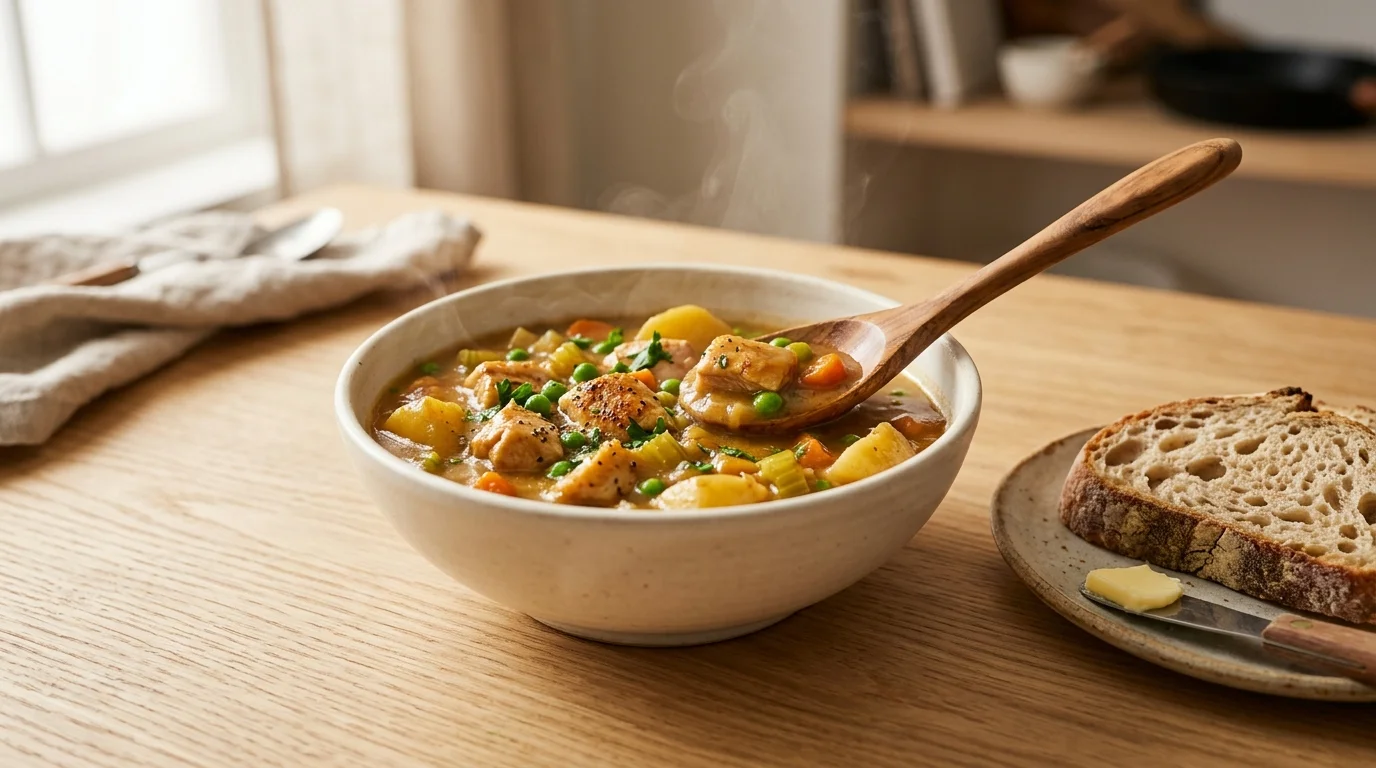
Best Hearty Chicken Stew One-Pot Winter Comfort
Ingredients
Equipment
Method
- Sear the Chicken Season chicken with salt and pepper. Sear in batches in hot oil, 3 to 4 minutes per side, until deeply browned. Set aside.

- Cook the Vegetables In the same pot, cook onion, carrots, and celery for 5 to 6 minutes until softened. Add garlic for the final minute.
- Make the Roux Sprinkle flour over the vegetables and stir constantly for 1 to 2 minutes.
- Add Liquid and Chicken Slowly stir in stock, scraping up browned bits. Return chicken to the pot with bay leaves and thyme. Bring to a simmer.
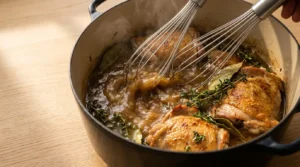
- Simmer Cover and simmer on low for 25 minutes.
- Add Potatoes Add potatoes and simmer uncovered for 20 more minutes, until tender and chicken reaches 165°F (74°C).
- Add Peas and Finish Stir in peas for the final 3 minutes. Remove bay leaves, taste, and adjust seasoning .
Notes
Nutrition Info (per serving, based on 6 servings)
| Nutrient | Amount |
|---|---|
| Calories | 328 |
| Protein | 29g |
| Fat | 14g |
| Carbohydrates | 22g |
| Sodium | 480mg |
| Fiber | 3g |
| Sugar | 4g |
Nutrition information is an estimate and may vary depending on the ingredients and brands used. Data sourced from USDA FoodData Central.
FAQs
Q: Why is my chicken stew watery instead of thick?
A: Almost always a missing or undercooked roux, or too much stock added at once. Make sure the flour cooks fully with the vegetables for 1 to 2 minutes before any liquid goes in, and add stock gradually while stirring.
Q: Can I make this hearty chicken stew in a slow cooker instead?
A: Yes sear the chicken and make the roux on the stovetop first (this step doesn’t transfer well to a slow cooker), then transfer everything to the slow cooker and cook on low for 6 hours, adding potatoes for the final 2 hours.
Q: Can I use chicken breast instead of thighs?
A: Yes, but reduce the total simmer time by about 10 minutes, since breast dries out and toughens faster than thigh through a long stew.
Q: Why do my potatoes fall apart in the stew?
A: They were likely added too early. Adding them partway through the simmer, rather than at the start, keeps them intact while still cooking through fully.
Q: Does homemade stock make a big difference?
A: It adds noticeable depth, but a good quality low-sodium store-bought stock is a completely reasonable substitute just taste and adjust the salt level at the end.
Q: What’s the safe internal temperature for the chicken?
A: 165°F (74°C), checked with an instant-read thermometer, per USDA safe minimum cooking temperatures.
Would I Make This Again?
Regularly, and it usually shows up at least once a month once the weather turns.
The searing step was the one thing that changed everything it felt like an unnecessary extra step the first time, and it’s now non-negotiable. The roux-versus-cornstarch test settled a genuine curiosity, and the roux stayed the default from that point on.
It’s also become the go-to for using up whatever vegetables are sitting in the fridge the core method holds up well even with substitutions.
Final Note
A hearty chicken stew rewards patience more than skill the sear, the roux, and the staggered vegetable timing all matter more than any single ingredient. Once the method clicks, it becomes one of those dinners that costs very little, uses one pot, and tastes like it took far longer than it did.
Made this? Let me know in the comments which variation you tried classic, or one of the twists above.


3 Comments