
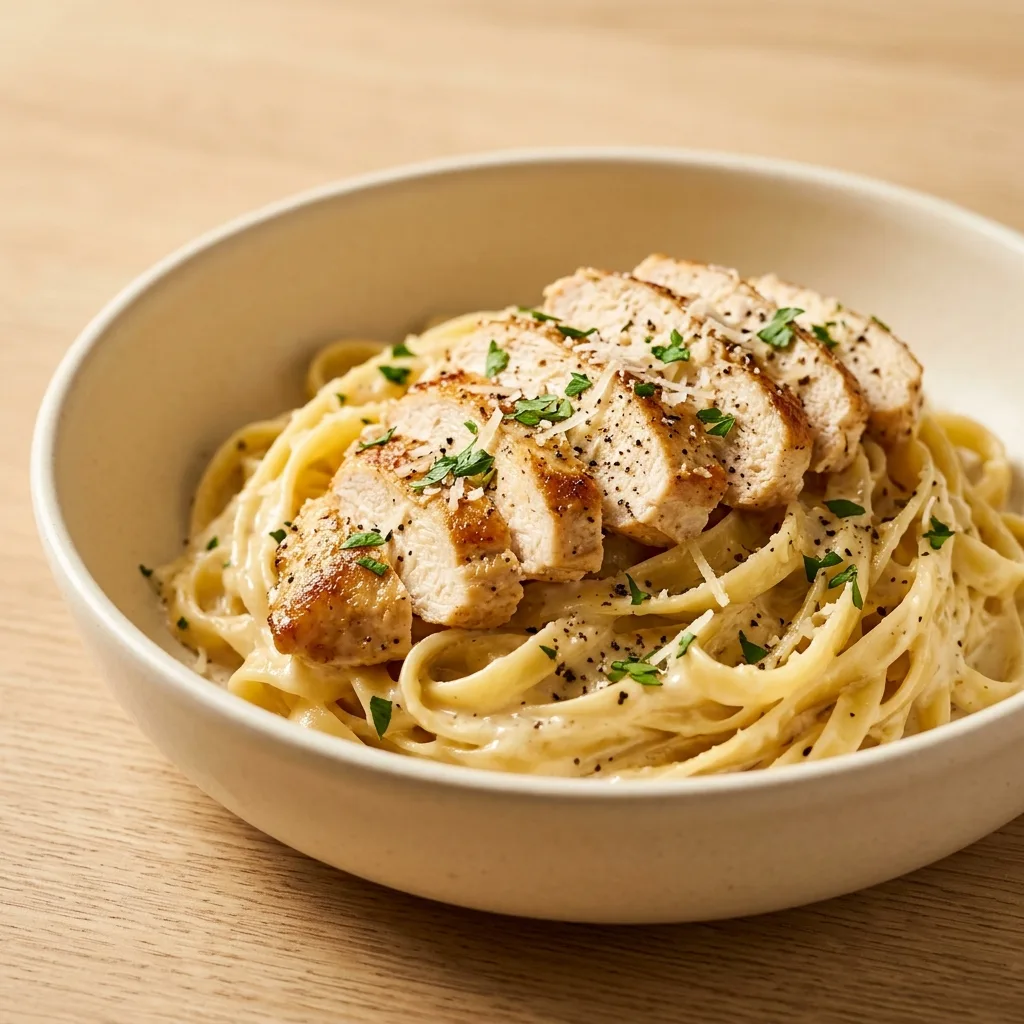
Best Chicken Alfredo Creamy Restaurant-Style Sauce
This chicken alfredo recipe exists because of one deeply disappointing dinner. The sauce broke halfway through cooking, separating into a greasy layer floating on top of clumpy, grainy cheese that refused to smooth back out no matter how much whisking happened. It looked nothing like the smooth, glossy sauce from the restaurant it was meant to copy more like something gone wrong in a chemistry experiment than dinner.
The instinct afterward was to blame the recipe. More cream, maybe. Different cheese. A different pan. It took a few more attempts, and a fair bit of reading about what cheese actually does when it hits heat, to realize the fix required almost no extra ingredients at all just a different order of operations and one specific piece of information that restaurant kitchens rely on and most home recipes never mention.
The cause, once it became obvious, was almost annoying in how simple it was: pre-shredded cheese from a bag, added too fast, into a sauce that was still actively simmering. Two small habits, both easy to have without ever noticing they were the problem.
Here’s the full method that fixes both of those habits and consistently produces a silky, restaurant-close sauce tested enough times now that it’s no longer a gamble on dinner night.
Why This Chicken Alfredo Sauce Doesn’t Break
Pre-shredded cheese from a bag is coated in anti-caking agents usually cellulose or potato starch specifically so the shreds don’t clump together in storage. That same coating that keeps the bag from turning into one solid brick of cheese also stops it from melting smoothly into a sauce. Instead of dissolving evenly into the cream, it seizes into small, gritty clumps, and no amount of stirring brings it back to smooth once that’s happened.
Freshly grated cheese from a block has no such coating. It melts the way cheese is supposed to melt evenly, gradually, blending into the surrounding liquid rather than fighting it. This single swap, more than any other change, is the biggest fix for a grainy or broken alfredo, and it costs nothing extra beyond five minutes at a grater.
Heat control is the second half of the equation, and it matters just as much as the cheese itself. Cheese proteins are sensitive to high, direct heat added to a sauce that’s actively boiling, they seize and separate from the fat almost instantly, which is exactly what a broken sauce looks like. Pulling the pan off the heat entirely, or dropping it to the very lowest setting, before the cheese goes in gives the proteins time to melt gently instead of shocking them into clumping. It’s a small adjustment in timing that changes the entire outcome of the dish.
There’s a reason restaurant kitchens rarely have this problem: professional cooks tend to work instinctively with lower, more controlled heat during the final stages of a sauce, precisely because a broken sauce sent out to a table is a wasted plate. Building that same instinct at home is really just a matter of knowing to look for it.
About This Recipe
This recipe went through several rounds of testing before landing on the version below. Early attempts used pre-shredded cheese straight from the bag, which broke almost immediately. A second batch of tests compared a cream-based sauce against a lighter milk-based version, to see how much of the classic Alfredo richness could be preserved with less fat. A separate round tested chicken breast against chicken thighs, cooked entirely in the sauce versus seared separately and added at the end.
Fresh block parmesan, melted into a properly reduced cream base, off direct heat, was the clear winner across every test for texture, for consistency, and for how forgiving it was even when the timing wasn’t perfect. That’s the version documented here.
Ingredients
For the Chicken:
- Boneless skinless chicken breasts — 2 large, sliced horizontally into thin cutlets
- Salt and black pepper — to taste
- Olive oil — 2 tbsp
- Butter — 1 tbsp
For the Sauce:
- Butter — 3 tbsp
- Garlic — 4 cloves, minced
- Heavy cream — 350ml
- Parmesan cheese — 100g, freshly grated from a block
- Pasta water — 120ml, reserved
- Salt and black pepper — to taste
- Fresh parsley — small handful, chopped, for garnish
For the Pasta:
- Fettuccine — 300g
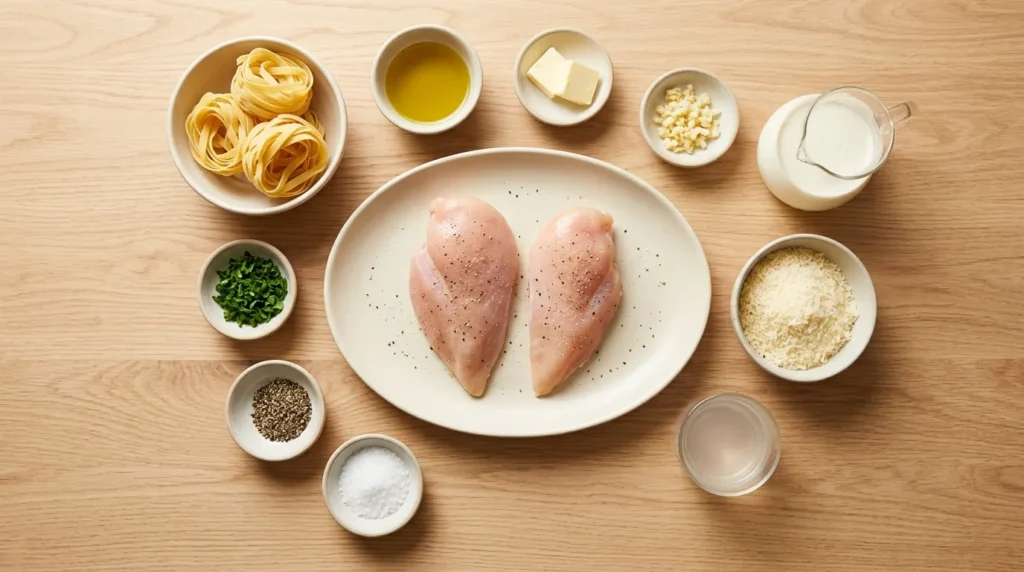
A note on the parmesan: an authentic Parmigiano-Reggiano block, grated fresh, gives the most complex flavor, but any good-quality parmesan block will work far better here than a pre-shredded bag the technique matters more than the specific brand.
Ingredient Substitutions
No fettuccine? Any long pasta works linguine or tagliatelle are close substitutes, and both hold the sauce in a similar way thanks to their flat, wide surface. Short pasta like penne or rigatoni works too, though the sauce pools inside the tube shapes rather than clinging along a strand, which changes the eating experience slightly without hurting the flavor.
Chicken thighs can replace breast for a juicier result that’s noticeably more forgiving of a slightly longer cook time a real advantage on a night when timing everything perfectly isn’t realistic.
Half-and-half can replace heavy cream for a lighter sauce, though it won’t reduce or thicken quite as much on its own see the comparison table below for exactly how the two compare side by side.
No fresh parmesan block available? Pre-shredded can work in a genuine pinch, but add it off heat, in small handfuls, stirring constantly, to reduce the risk of graininess as much as possible given the ingredient’s limitations.
Dairy-free alternative: a cashew cream base with nutritional yeast in place of parmesan can approximate the richness, though the flavour profile shifts noticeably away from classic alfredo and closer to a general creamy pasta sauce.
Step-by-Step Instructions
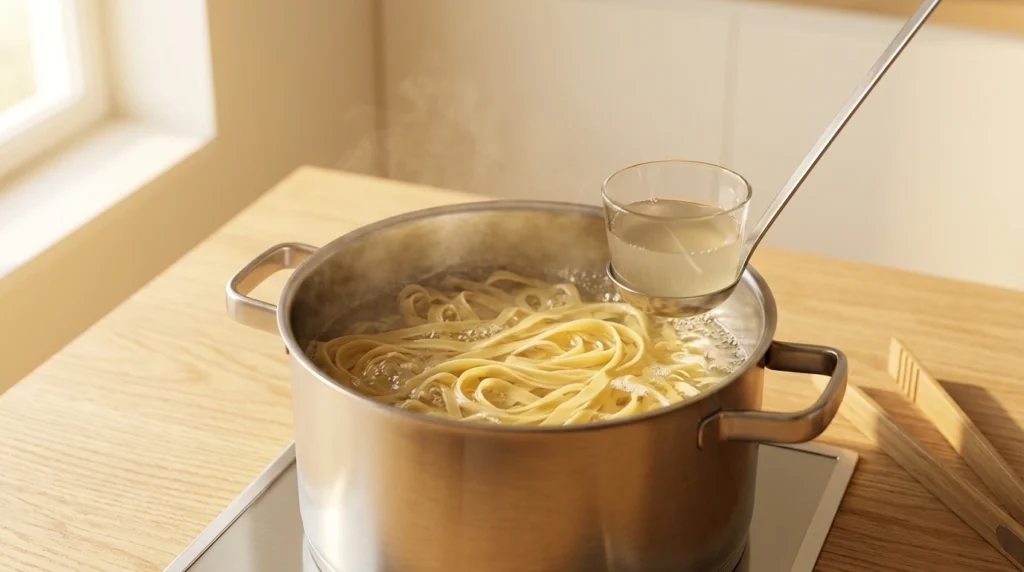
Step 1: Cook the Pasta
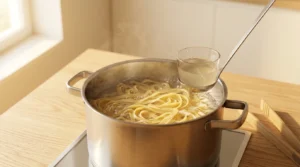
Bring a large pot of well-salted water to a boil the water should taste distinctly salty, since this is the only chance the pasta itself gets seasoned from the inside. Cook fettuccine until just shy of al dente, roughly a minute less than the package suggests. It will continue cooking slightly once it’s tossed into the hot sauce, so slightly underdone at this stage is exactly right. Before draining, reserve 120ml of the starchy pasta water in a separate cup or bowl, then drain the rest.
Step 2: Cook the Chicken
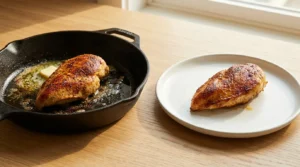
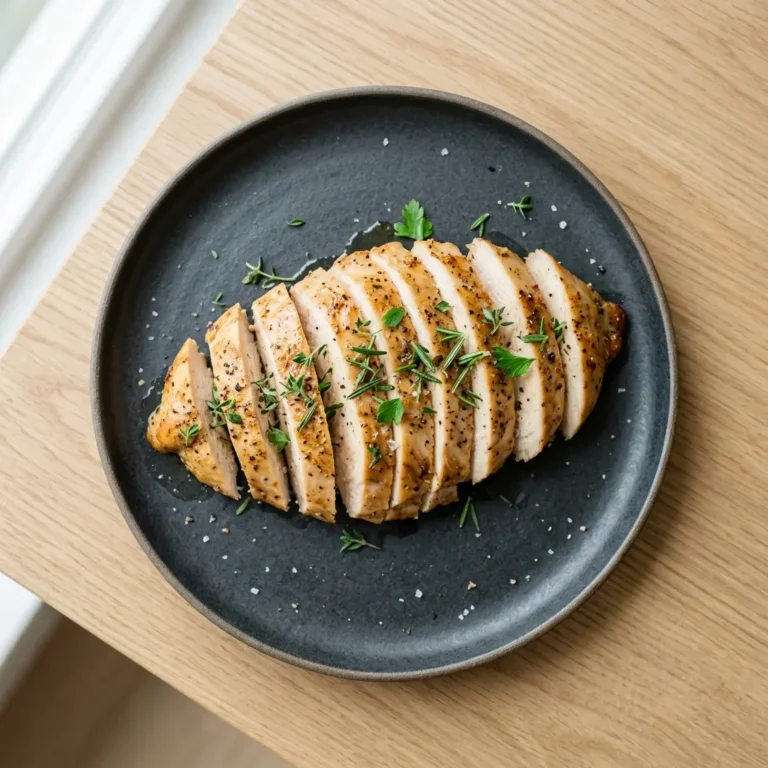
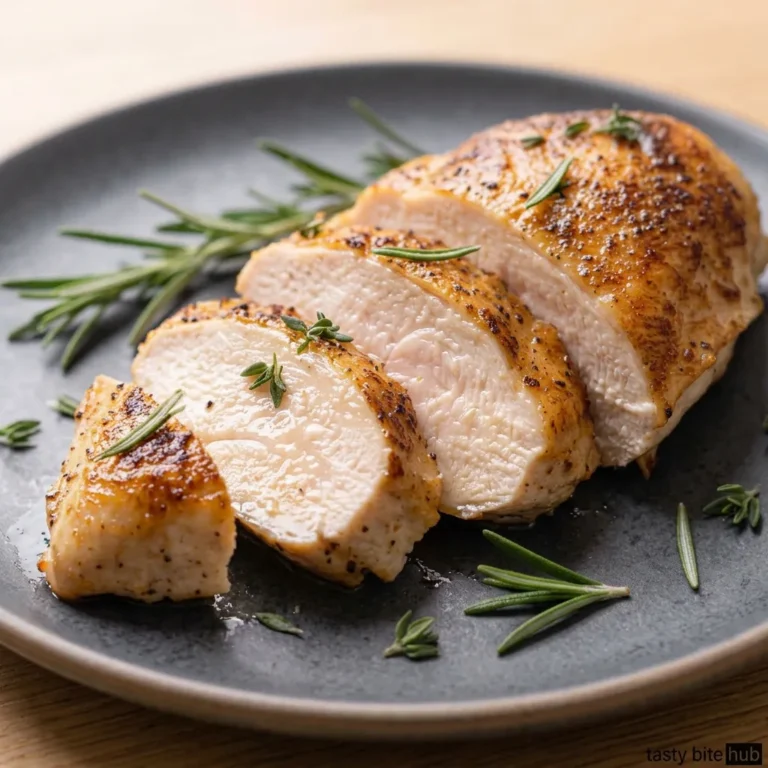
Season chicken cutlets generously with salt and pepper on both sides. Heat olive oil and 1 tbsp butter in a large skillet over medium-high heat until shimmering. Cook the chicken for 4 to 5 minutes per side, without moving it too much, until deeply golden and the internal temperature reaches 165°F (74°C) at the thickest point. Remove immediately to a separate plate not the same pan and let it rest while the sauce comes together. Slice once it’s cooled slightly, into strips.
Step 3: Build the Garlic Base
In the same skillet, reduce the heat to medium and add the remaining 3 tbsp butter. Once fully melted and just starting to foam, add the minced garlic and cook for 30 to 45 seconds, stirring constantly, until fragrant but not browned.
Garlic burns fast once butter is hot, and burnt garlic turns bitter in a way that’s impossible to fix later in the sauce every other ingredient added afterward will carry that bitterness through the whole dish. Forty-five seconds is close to the outer edge of safe; if it starts turning golden brown rather than just fragrant, it’s gone too far and it’s worth starting the garlic step over.
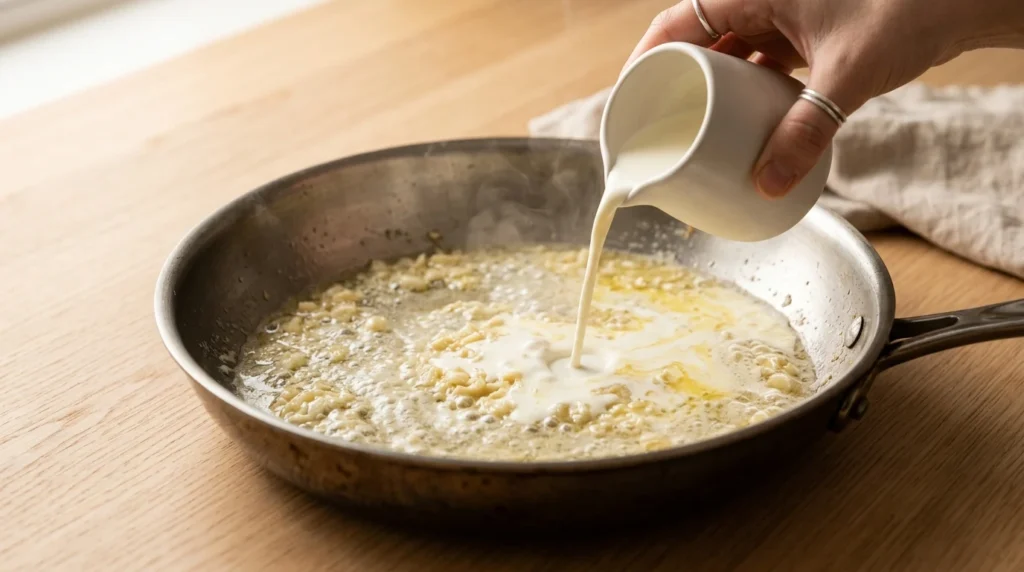
Step 4: Add the Cream
Pour in the heavy cream, stirring immediately to combine with the garlic butter and lift any bits stuck to the pan. Bring it to a gentle simmer small bubbles around the edge of the pan, never a rolling boil and let it reduce slightly for 3 to 4 minutes. This short simmer thickens the cream just enough that the sauce has real body before the cheese is even added.
Step 5: Melt in the Cheese
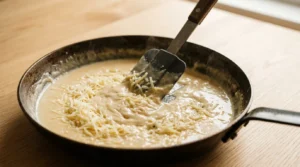
Remove the pan from direct heat entirely, or drop it to the lowest possible setting on the stove. Add the parmesan in small handfuls, stirring continuously until each addition melts smoothly into the cream before adding the next handful. Rushing this step by dumping all the cheese in at once is one of the most common causes of a grainy result, even with good-quality cheese.
This off-heat step is the difference between a silky sauce and a broken one. Cheese added to actively simmering liquid seizes rather than melting evenly, and once it seizes, no amount of extra stirring reverses it.
Step 6: Combine
Add the reserved pasta water a splash at a time, stirring after each addition, until the sauce reaches a silky, coating consistency it should cling to the back of a spoon rather than run off it. Toss in the drained pasta and stir gently to coat every strand evenly.
The starchy pasta water does two things worth understanding: it loosens a sauce that’s gone slightly too thick after the cheese is added, and its starch content helps the sauce actually cling to the noodles rather than pooling loosely at the bottom of the bowl. It’s a small, easy-to-skip step that makes a genuinely noticeable difference in the final plate.
Step 7: Finish
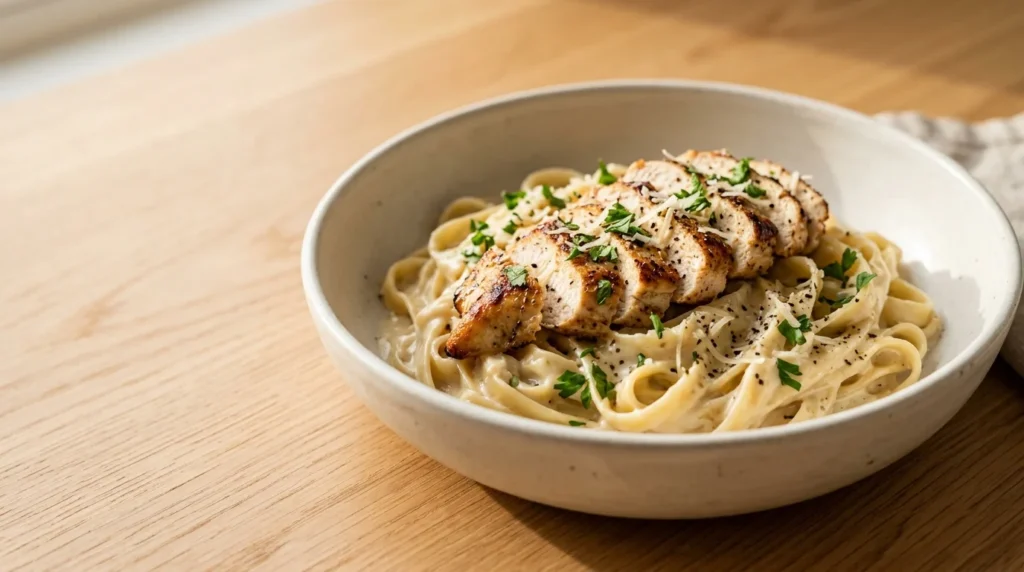
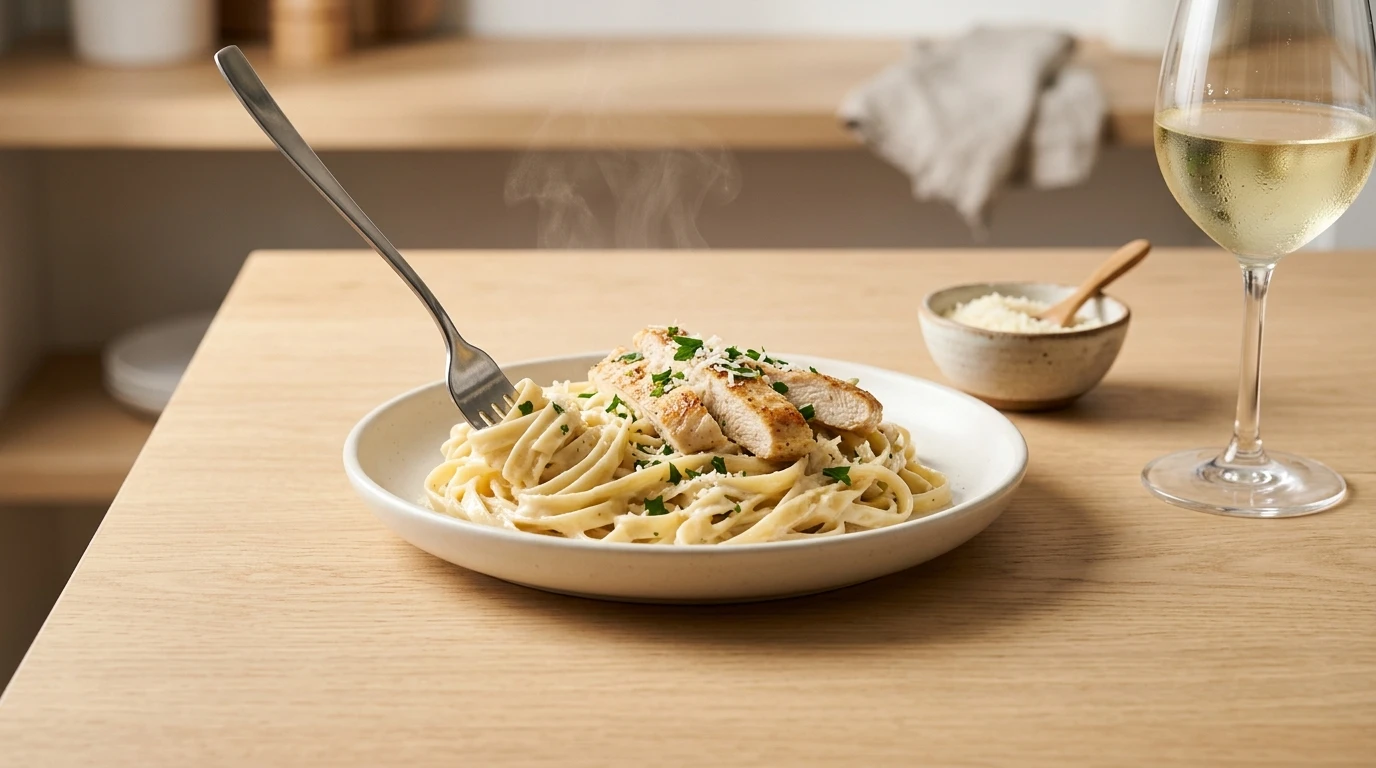
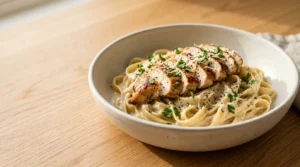
Top with the sliced chicken, garnish generously with chopped parsley, and serve immediately while the sauce is at its silkiest alfredo sauce continues to thicken as it sits, so a slightly loose consistency at the point of plating is exactly right.
What Went Wrong in Early Testing
Round 1: Used pre-shredded cheese straight into a simmering sauce.
The sauce broke almost immediately the cheese clumped into small, gritty bits floating in a thin, visibly separated liquid, with a layer of oil pooling on top. Lesson: block cheese, melted off direct heat, is not optional if the goal is a genuinely smooth sauce.
Round 2: Left the chicken in the pan while the sauce simmered for several extra minutes.
The chicken carried over from residual pan heat and dried out noticeably by the time it was sliced and added back to the dish. Resting it on a completely separate plate the moment it hit temperature solved this fully, with no other changes needed.
Round 3: Skipped the pasta water entirely, assuming it wasn’t necessary.
The sauce sat visibly on top of the pasta rather than clinging to it, and it thinned out unevenly once plated and left to sit for even a couple of minutes. Even a small splash of starchy pasta water fixed the texture noticeably and kept the sauce looking cohesive on the plate.
Round 4: Tried scaling the recipe up to double for a dinner party.
Doubling every ingredient exactly led to a sauce that took longer to reduce and briefly looked too thin before it caught up the larger volume of cream needed a few extra minutes of simmer time at Step 4 that a straight doubling of time didn’t account for. Watching for the visual cue (coats the back of a spoon) rather than following a fixed clock fixed this.
Round 5: Added all the parmesan in one go instead of gradually.
Even with fresh block cheese and the heat correctly lowered, dumping the full 100g in at once produced a slightly clumpier result than adding it in stages. Small handfuls, each fully melted before the next, gave a noticeably smoother finish even using the exact same cheese.
Cream vs Half-and-Half Texture Comparison
| Base | Richness | Thickness | Fat Content | Best For |
|---|---|---|---|---|
| Heavy Cream | Rich, full-bodied | Reduces and thickens well on its own | ~36% | Classic restaurant-style texture |
| Half-and-Half | Lighter | Stays thinner, needs more pasta water or a longer reduction | ~12% | A lighter version without losing creaminess entirely |
Fresh Block Cheese vs Pre-Shredded Melt Comparison
| Cheese Type | Melt Quality | Risk of Graininess | Flavour |
|---|---|---|---|
| Fresh Block, Grated | Smooth, even | Low | More complex, nuttier |
| Pre-Shredded (bagged) | Uneven, clumpy | High due to anti-caking coating | Flatter, more one-note |
Chicken Cooked Separately vs Simmered in the Sauce
| Method | Texture | Flavour Impact on Sauce |
|---|---|---|
| Seared Separately, Added at End | Juicy, well-browned exterior | Sauce stays clean and focused |
| Simmered Directly in Sauce | Softer, less browned | Sauce picks up more savoury depth, but chicken texture suffers |
Pro Tips
- Grate cheese from a block. This single swap fixes most grainy-sauce problems before they even start, and it takes less time than it seems.
- Take the pan off heat before adding cheese. Direct simmering heat is what causes cheese proteins to seize rather than melt.
- Rest the chicken on a separate plate, not in the same pan, so residual heat stops cooking it the moment it’s done.
- Save the pasta water before draining. It’s easy to forget in the moment, and there’s no real substitute for it once the pasta’s already down the drain.
- Slightly undercook the pasta. It finishes cooking in the hot sauce, which prevents mushy noodles by the time the dish is plated.
- Watch for visual cues, not just timers, especially the “coats the back of a spoon” test this matters even more when scaling the recipe up or down.
- Add cheese gradually, in small handfuls. Even good cheese can clump if it’s all added at once into hot cream.
- Serve immediately. Alfredo sauce continues thickening as it sits, so a dish that looks perfectly loose at the stove can turn heavy within ten minutes on the table.
Variations
Cajun Chicken Alfredo: Season the chicken with 1 tbsp Cajun seasoning before searing for a spiced, smoky version that plays well against the richness of the sauce.
Broccoli Chicken Alfredo: Add 200g steamed broccoli florets when tossing the pasta into the sauce, for a version with a bit more texture and colour on the plate.
Sun-Dried Tomato Alfredo: Stir in 60g chopped sun-dried tomatoes with the garlic for a tangy, slightly sweet contrast against the richness of the cream.
Bacon Alfredo: Add 4 slices of cooked, crumbled bacon on top before serving for a smokier, saltier finish that pairs particularly well with the broccoli variation above.
Mushroom Alfredo: Sauté 150g sliced mushrooms in the butter before adding the garlic, for an earthier, more savoury base to the sauce.
Shrimp and Chicken Alfredo: Add 200g peeled, deveined shrimp to the skillet after the chicken is removed, cooking for 2 minutes per side, then set aside with the chicken until the sauce is ready.
Spinach Alfredo: Stir in a couple of handfuls of fresh spinach right after the cream is added, letting it wilt down before the cheese goes in.
What to Serve With
- Garlic bread, for scooping up any extra sauce left on the plate
- A simple side salad with a sharp vinaigrette, to cut through the richness
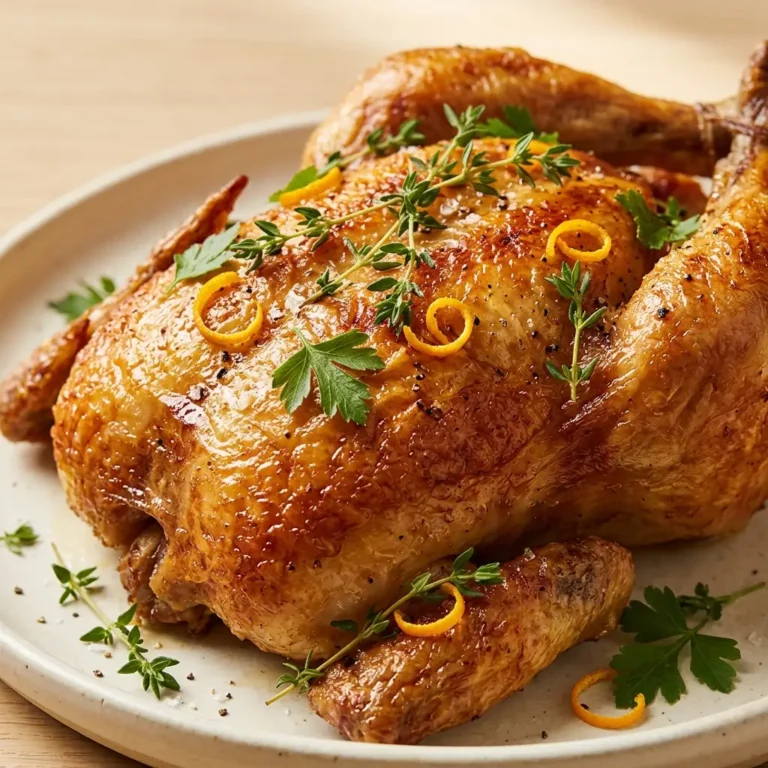
- Best Garlic Herb Roast Chicken — if planning a bigger dinner spread with multiple dishes
- Best Chicken Curry From Scratch — UK-Style Comfort — for another rich, sauce-based dinner idea
- Best Hearty Chicken Stew — One-Pot Winter Comfort — for a different kind of one-pot comfort meal
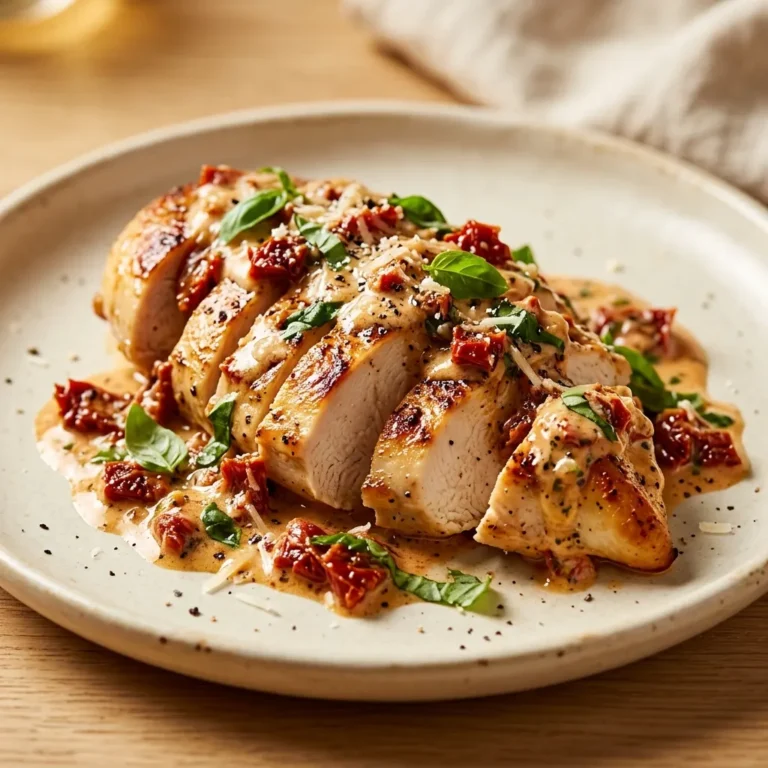
- Best Creamy Tuscan Chicken — Easy Impressive Christmas — another creamy chicken favorite worth trying
- A crisp, dry white wine on the side, for those who enjoy pairing dinner with a glass
Meal Prep and Scaling Notes
This recipe scales reasonably well for a small dinner party, but the sauce behaves slightly differently in larger volumes a doubled batch of cream takes a little longer to reduce properly at Step 4, so it’s worth watching for the visual cue (coating the back of a spoon) rather than sticking rigidly to the stated timing.
For meal prep, it’s better to store the sauce and pasta together but keep the chicken separate, reheating the chicken briefly on its own before combining, since chicken reheated inside the sauce tends to overcook slightly and turn tougher than freshly seared chicken added at serving time.
Storage and Reheating
Fridge: Refrigerate leftover Chicken Alfredo within 2 hours of cooking, or within 1 hour if the room temperature is above 90°F (32°C). Store in an airtight container at 40°F (4°C) or below and use within 3–4 days.
Stovetop: Reheat gently over low to medium-low heat, adding a small splash of milk or cream to loosen the sauce. Stir frequently and continue heating until the chicken and sauce reach 165°F (74°C) internally.
Microwave: Cover loosely and heat in short intervals, stirring between intervals for even heating. Continue until the chicken and sauce reach 165°F (74°C) internally.
Freezing: Freezing is not recommended for the finished Alfredo because the cream sauce may separate and become grainy. For best quality, prepare fresh when possible.
Best Chicken Alfredo Creamy Restaurant-Style Sauce
Ingredients
Equipment
Method
- Cook the Pasta Boil fettuccine in well-salted water until just shy of al dente. Reserve 120ml pasta water before draining.
- Cook the Chicken Season chicken. Cook in olive oil and butter, 4 to 5 minutes per side, until golden and 165°F (74°C) inside. Rest on a separate plate, then slice.
- Cook the Garlic In the same skillet, melt remaining butter. Add garlic, cook 30 to 45 seconds until fragrant, not browned.
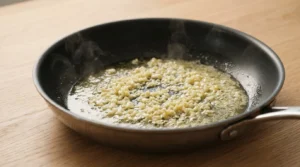
- Add Cream Pour in cream, simmer gently 3 to 4 minutes to reduce slightly.
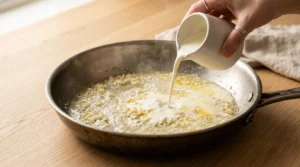
- Melt in the Cheese Remove from direct heat. Add parmesan in small handfuls, stirring until each melts before adding more.
- Combine Add reserved pasta water gradually until sauce coats the back of a spoon. Toss in pasta to coat.
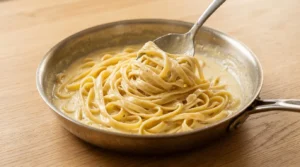
- Finish Top with sliced chicken, garnish with parsley, serve immediately.
Notes
Nutrition Info (per serving, based on 4 servings)
| Nutrient | Amount |
|---|---|
| Calories | 612 |
| Protein | 38g |
| Fat | 34g |
| Carbohydrates | 41g |
| Sodium | 590mg |
| Fiber | 2g |
| Sugar | 3g |
Nutrition information is an estimate and may vary depending on the ingredients and brands used. Data sourced from USDA FoodData Central.
FAQs
Q: Why did my chicken alfredo sauce turn grainy?
A: Almost always pre-shredded cheese added into a simmering sauce. Switch to freshly grated block cheese, and add it off direct heat, stirring in small handfuls until each one melts before adding more.
Q: Why is my sauce too thin?
A: The cream likely didn’t reduce enough before the cheese was added. Simmer it for a few extra minutes at Step 4, or reduce the amount of reserved pasta water added at the end.
Q: Can I use chicken thighs instead of breast?
A: Yes thighs are more forgiving and stay juicy even with a slightly longer cook time, making them a good option if breast has been drying out in past attempts at this dish.
Q: Can I make this ahead for a dinner party?
A: The sauce is best made fresh, since cream sauces don’t reheat as cleanly as tomato-based ones. If needed, the chicken can be cooked ahead and the sauce made just before serving to keep the texture at its best.
Q: Can I freeze chicken alfredo?
A: It’s not recommended cream-based sauces tend to separate and turn grainy once thawed, even with careful, low-heat reheating.
Q: What’s the safe internal temperature for the chicken?
A: 165°F (74°C), checked with an instant-read thermometer at the thickest part of the cutlet, per USDA safe minimum cooking temperatures.
Q: Can I double this recipe for a crowd?
A: Yes, but watch the sauce visually rather than relying on the same timing a larger volume of cream takes a bit longer to reduce properly at the simmering stage.
Would I Make This Again?
Often it’s become the go-to when the goal is something that feels like a genuine treat but still takes well under 40 minutes from start to finish.
The cheese swap was the detail that mattered most out of everything tested. Such a small change grating a block instead of opening a bag for such a noticeably better result across every single attempt afterward. The pasta water trick was the other real surprise; it’s a step that’s easy to skip and easy to underestimate right up until it’s missing, at which point the difference becomes obvious.
The scaling test for a dinner party was a useful lesson too it’s the kind of detail that would have caused a stressful moment in front of guests if it hadn’t been tested in advance. Watching the sauce rather than the clock has become the general rule for this recipe now, at any batch size.
Final Note
Chicken alfredo has a reputation for being finicky, and in a sense it is but the actual fixes are small and specific rather than mysterious: real cheese, controlled heat, and a splash of pasta water. Once those three things are dialed in, it becomes one of the easier restaurant-style dinners to make at home, and considerably cheaper than ordering it out on a night when nothing else sounds as good.
Made this? Let me know in the comments if you tried one of the variations Cajun, mushroom, or classic?
One Comment