Best Piri Piri Chicken Nando’s Style Copycat Recipe
Piri piri chicken is one of those dishes where the first bite sells the whole thing: smoky, sharp with lemon, loud with garlic, and a heat that builds instead of punching you in the face. The trouble is that most homemade versions taste like chicken that has only heard about piri piri. They’re spicy, sure, but flat, a bit wet, and missing the charred edge that makes the restaurant version so good.
This Nando’s-style piri piri chicken recipe goes after the three things that actually make it work. First, a balanced marinade built from fresh chillies, garlic, lemon, vinegar and smoked paprika, rather than a bottle of hot sauce. Second, a hot oven plus a quick broil, which gets you proper char without a flame grill. Third, a portion of the sauce set aside before the chicken ever touches it, so the final coat on the skin is fresh and punchy.
It’s also easy to dial up or down. Keep it mild for kids, or go properly fiery if you’re not cooking for them. Marinate it the night before, roast it in about 45 minutes, and serve it with chips, rice or a big salad.
Raw chicken and a lot of fresh chilli both need a little care, so there’s a short safety section before the method. It takes two minutes to read and makes the whole thing smoother.
Quick Recipe Overview
- Serves: 4
- Prep: 15 minutes, plus 4 to 24 hours marinating in the fridge
- Cook: about 45 minutes (an estimate; it depends on piece size and your oven)
- Method: oven roast at 220°C (425°F) with a broiler finish. Grill and air fryer options are below.
- Difficulty: easy
- Equipment: blender, baking tray with wire rack, instant-read thermometer, disposable gloves, a clean jar and a small bowl
- Heat level: adjustable, hot as written (6 chillies)
- Safe temperature: at least 165°F (74°C) in the thickest part, not touching the bone
What Is Piri Piri (and Is It the Same as Peri Peri)?
Piri piri, also spelled peri peri, is a hot chilli sauce and marinade strongly associated with Portuguese-influenced cooking in southern Africa, especially Mozambique and Angola. The name is commonly traced to the Swahili word for pepper. Sources differ on the details of its history, so treat this as a general summary rather than a definitive account. The sauce is traditionally built on African bird’s eye chillies, with garlic, citrus, oil and vinegar. Both spellings are used for the same style of sauce. Nando’s, the chain that made it famous worldwide, uses “peri-peri”, which is why you’ll see both spellings in recipes and on menus.
For this recipe, “piri piri” and “peri peri” mean the same thing, and the method works whichever name you search for.
Why This Piri Piri Chicken Tastes Flame-Grilled Without a Grill
The restaurant version gets its character from open flame, which does two jobs: it chars the skin, and it adds a light smokiness. Neither comes from the chilli itself. So the recipe has to rebuild both.
Smoke comes from smoked paprika, with a little help from roasted red pepper, which also gives the sauce body and a rounded sweetness. Char comes from heat: a 220°C (425°F) oven to render the skin, then a short blast under the broiler (grill, in the UK) to blister the edges. A small amount of sugar in the marinade helps the surface caramelise and darken faster, which is why the last few minutes need your full attention.
The acid matters too. Lemon juice and vinegar give the tang that piri piri is known for, and they also soften the surface of the meat. That’s useful, up to a point, which is why the marinating time has a limit.
Piri Piri Chicken Food Safety: Marinating, Basting and Cooking
None of this is complicated, but all of it matters with raw poultry and a lot of chilli.
Marinate in the fridge, never on the counter.
Keep the chicken covered on a low shelf so nothing drips onto other food. Marinate for 4 to 24 hours. Around 12 is the sweet spot for flavour, and 24 hours is the outer limit: raw chicken only keeps in the fridge for a day or two, and the lemon and vinegar can turn the surface mushy if it sits much longer.
Set aside your basting sauce before the chicken goes in.
This is the single most useful habit in the recipe. Once a marinade has touched raw chicken, it can’t be brushed on at the end or served as a sauce. So before you add the chicken, pour roughly a third of the blended sauce into a clean jar and refrigerate it. When it’s time to baste, spoon a small amount into a separate bowl and brush from that bowl only. Never dip a brush that has touched the chicken back into the jar, and throw away whatever is left in the basting bowl. The sauce still in the jar stays clean for serving. The marinade the chicken sat in goes in the bin after the chicken comes out.
Don’t wash the chicken.
Both the UK Food Standards Agency and the USDA advise against it. Splashing water can spread bacteria around your sink and worktops. Cooking is what makes it safe.
Keep raw and cooked separate.
Use one board and set of tongs for raw chicken and a clean set for serving. Wash your hands with soap and warm water after handling raw chicken, and before you touch anything else.
Cook to 165°F (74°C), and check.
Colour is a poor guide when the skin is deep red from the marinade. Use an instant-read thermometer in the thickest part of the meat, not touching the bone. 165°F (74°C) is the USDA’s safe minimum for poultry. UK guidance describes the same goal as piping hot all the way through, with no pink meat and clear juices. Bone-in dark meat actually tastes better a bit higher, around 175–185°F (80–85°C), once the connective tissue has relaxed.
Handle the chilies carefully.
Bird’s eye chillies are commonly rated at around 50,000 to 100,000 Scoville units, well above a jalapeño. Wear disposable gloves when you cut and blend them, keep your hands away from your face, and ventilate the kitchen when you open the blender. If you do get chilli on your skin, washing with soap and cold water helps more than plain water.
About This Recipe
This recipe is built around bone-in chicken thighs and drumsticks, because dark meat stays juicy under high heat and the skin crisps well. Spatchcocking a whole chicken is covered in the comparison table below if you’d rather go that route.
This is an independent recipe inspired by the flavor style of the well-known restaurant chain. It is not the official recipe, and it is not affiliated with or endorsed by Nando’s. The name is used only to describe the style of flavor the recipe is going for.
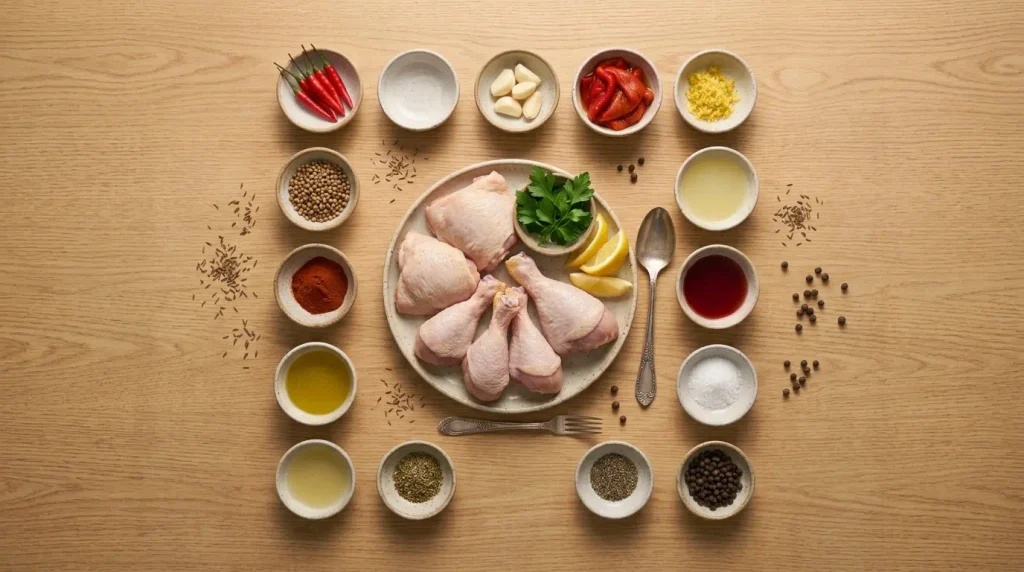
Ingredients
For the Piri Piri Marinade and Basting Sauce:
- Red bird’s eye chillies: 6 for hot, stems removed (see heat guide below)
- Garlic: 5 cloves, peeled
- Roasted red peppers from a jar: 80g (about 1 large piece), drained
- Lemon: zest of 1 and juice of 2 (about 60ml juice)
- Red wine vinegar: 3 tbsp
- Olive oil: 4 tbsp
- Smoked paprika: 2 tsp
- Dried oregano: 2 tsp
- Sugar: 1 tsp
- Fine salt: 1½ tsp
- Black pepper: ½ tsp
For the Chicken:
- Bone-in, skin-on chicken thighs: 4 (about 700g)
- Bone-in, skin-on chicken drumsticks: 4 (about 600g)
To Finish:
- Fresh parsley and lemon wedges
Ingredient Substitutions
No bird’s eye chillies? Use about 3 red Fresno or red jalapeño chillies plus ½ to 1 tsp cayenne, and start low, because it’s easier to add heat than to take it away. Dried chilli flakes (2 to 3 tsp) also work in a pinch, though the sauce will taste a little less fresh.
No smoked paprika? Use sweet paprika and add a tiny pinch of cayenne, but the smoky note won’t be as noticeable. A very small amount of liquid smoke is optional if you have it.
Lime can replace lemon, and white wine vinegar can replace red wine vinegar. Both change the flavour slightly but work fine.
Chicken breast can be used (bone-in, skin-on is best), but it’s less forgiving. Take it out at 165°F (74°C) exactly. Boneless, skinless thighs also work and cook faster, around 25 to 30 minutes.
Dairy-free, gluten-free and nut-free as written.
Heat Level Guide
| Heat level | Fresh bird’s eye chillies | Notes |
|---|---|---|
| Mild | 1 to 2, seeds removed | Add an extra roasted red pepper for body |
| Medium | 3 to 4 | Warm, comfortable for most adults |
| Hot | 6 | The version in the recipe card |
| Extra hot | 8 to 10, seeds left in | Very spicy, serve with cooling sides |
Chilli strength varies from batch to batch, so taste the sauce on a spoon before you add the chicken. It should taste slightly hotter and saltier than you want the final dish to be, because the chicken will mellow it.
Step-by-Step Instructions
Step 1: Blend the Marinade
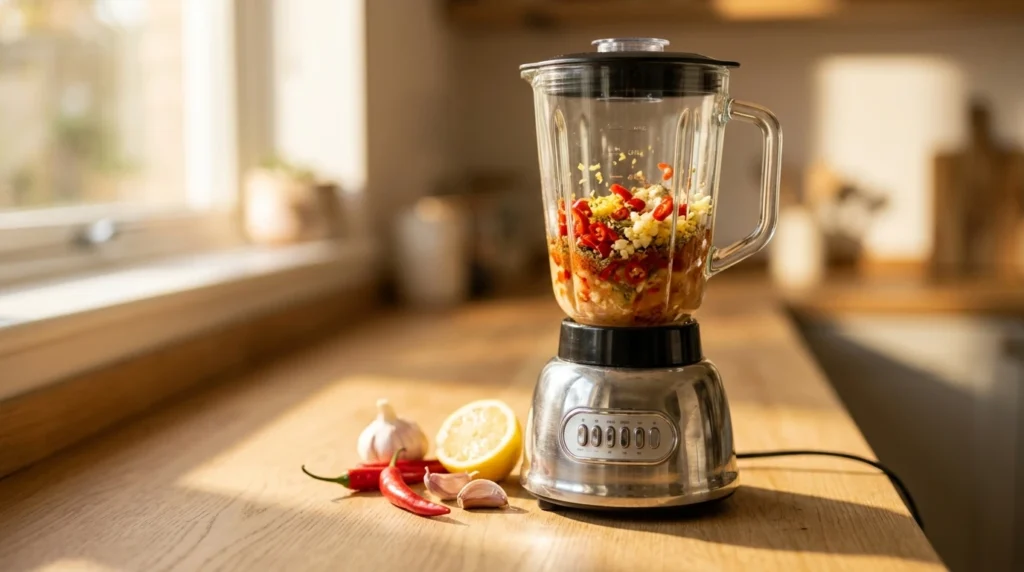
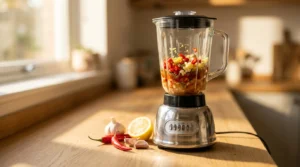
Wearing gloves, trim the stems from the chillies. Add them to a blender with the garlic, roasted red peppers, lemon zest and juice, vinegar, olive oil, smoked paprika, oregano, sugar, salt and pepper. Blend until mostly smooth. A little texture is fine.
Step 2: Set Aside the Basting Sauce
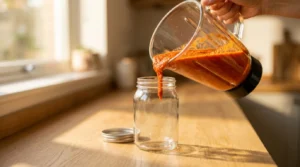
Pour roughly a third of the blended sauce (about 100ml) into a clean jar, cover it, and put it in the fridge. This is your finishing sauce, so keep every utensil that has touched raw chicken away from it.
Step 3: Marinate the Chicken
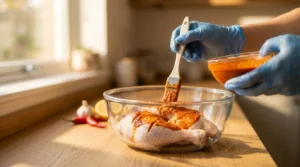
Pat the chicken dry and cut two or three shallow slashes into each piece, through the skin and into the meat, so the marinade gets in. Put the chicken in a large bowl or zip-top bag, pour over the remaining marinade, and massage it in. Cover or seal and refrigerate for at least 4 hours and up to 24 hours. Wash your hands and anything the raw chicken touched.
Step 4: Heat the Oven and Prepare the Tray
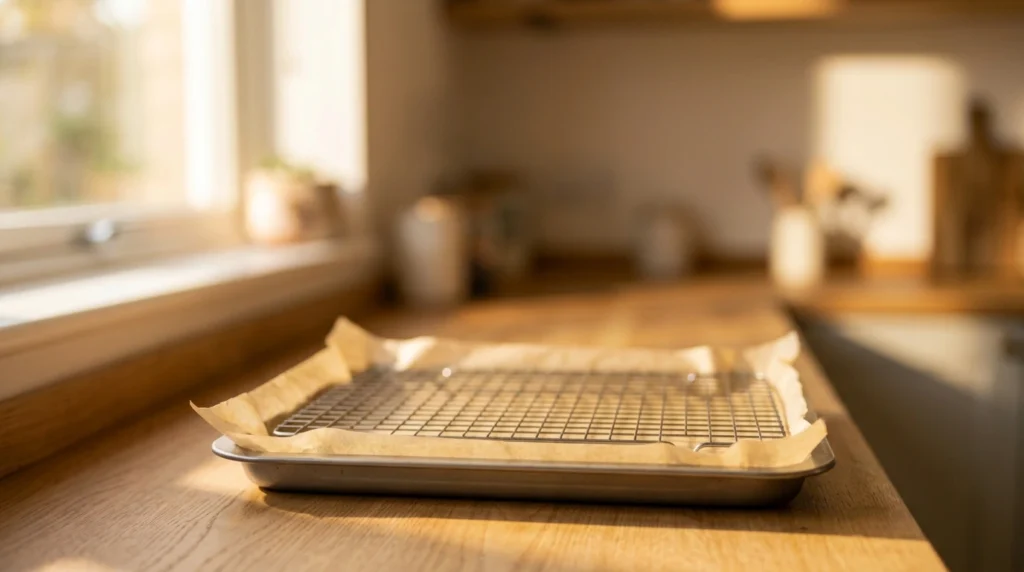
Heat the oven to 220°C (425°F), or 200°C fan. Line a baking tray with foil and set a wire rack on top if you have one. Lift the chicken out of the marinade, let the excess drip off, and arrange the pieces skin-side up with space between them. Discard the leftover marinade and wash your hands.
Step 5: Roast
Roast for 30 minutes, until the skin is starting to colour and render.
Step 6: Baste and Finish
Take the reserved jar out of the fridge and spoon about 3 tablespoons into a small clean bowl. Take the tray out and, using a clean brush and only that bowl, brush the chicken. Never dip the brush back into the jar, and throw away whatever is left in the bowl. Keep the rest of the jar for serving. Return the chicken to the oven for 8 to 10 minutes, until the skin is dark and crisp at the edges. Check the thickest part of a few pieces, not touching the bone, with an instant-read thermometer. They should read at least 165°F (74°C).
Step 7: Broil for Char
Switch the oven to broil (grill) on high and move the tray to the top third. Cook for 2 to 3 minutes, watching closely. The sugar and paprika can go from charred to burnt in seconds, so don’t wander off.
Step 8: Rest and Serve
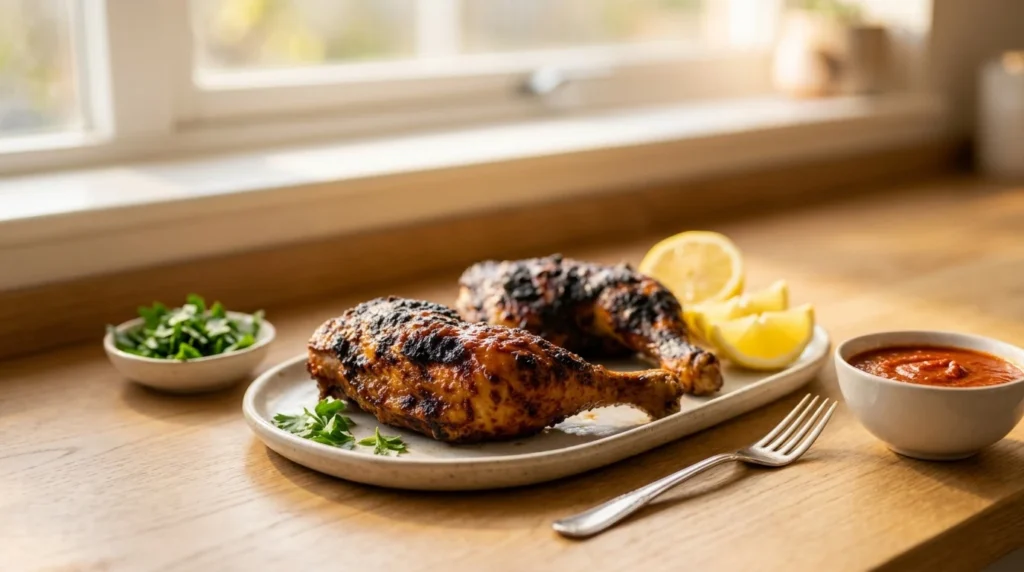
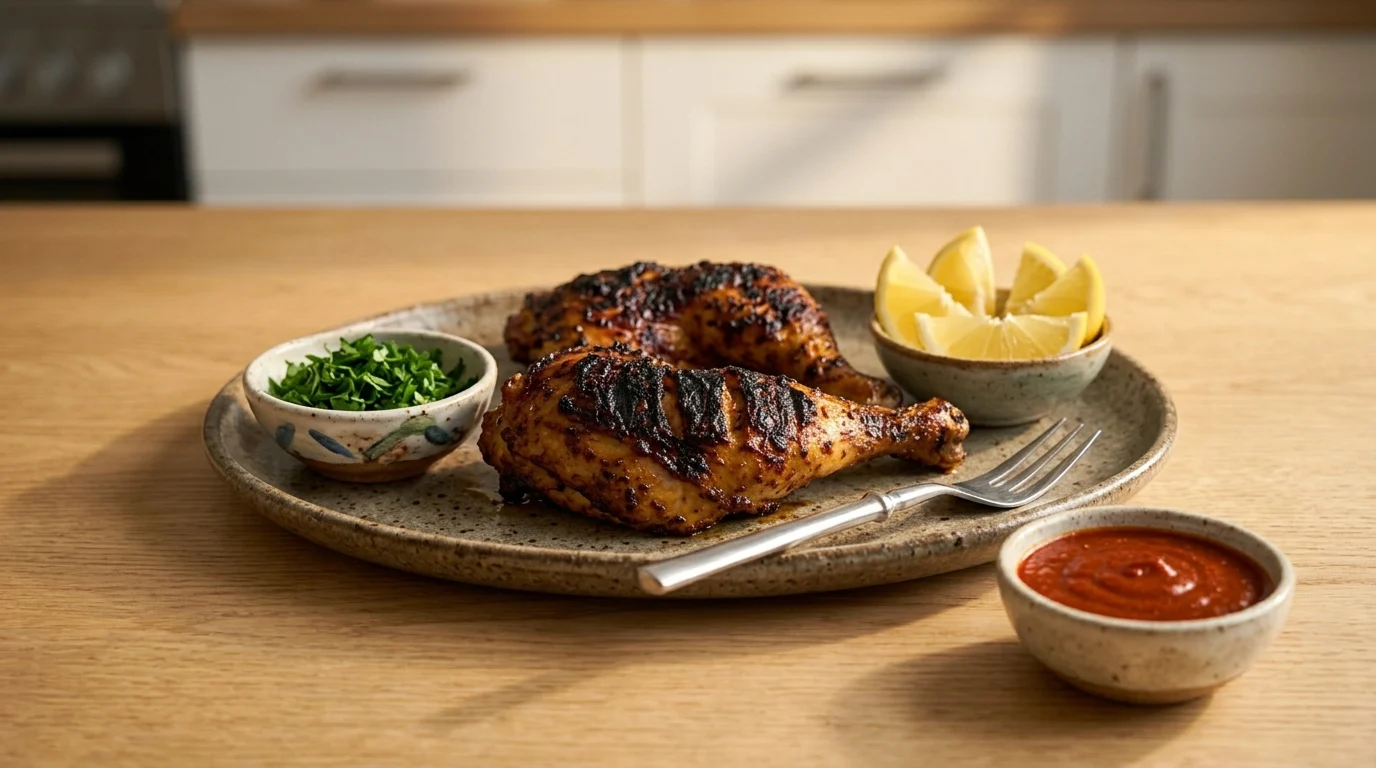
Rest the chicken for 5 to 10 minutes. Serve with the remaining reserved sauce on the side, a sprinkle of parsley, and lemon wedges.
Common Piri Piri Chicken Mistakes (and How to Fix Them)
Mistake 1: Brushing leftover marinade on at the end.
It’s a common shortcut, and it isn’t safe, because that marinade has been in contact with raw chicken. Reserve a portion of the sauce before marinating, as in Step 2, and baste from a separate small bowl, not from the jar.
Mistake 2: Using hot sauce instead of a proper marinade.
A bottle of hot sauce gives you heat and vinegar, but none of the garlic, citrus, pepper and smoke that make this taste like piri piri. Blend the sauce fresh.
Mistake 3: Crowding the tray.
If the pieces touch, steam builds up and the skin stays soft. Use two trays if you need to.
Mistake 4: Marinating for too long.
Past 24 hours, the acid starts to break down the surface of the meat and the texture turns soft and chalky. Stay inside the 4 to 24 hour window.
Mistake 5: Skipping the broiler.
The oven alone gives you cooked chicken, but the final 2 to 3 minutes under high heat are what get you the dark, blistered edges.
Mistake 6: Judging doneness by color.
The red marinade makes it hard to tell by eye. Check the temperature every time.
Doneness Cues and Troubleshooting
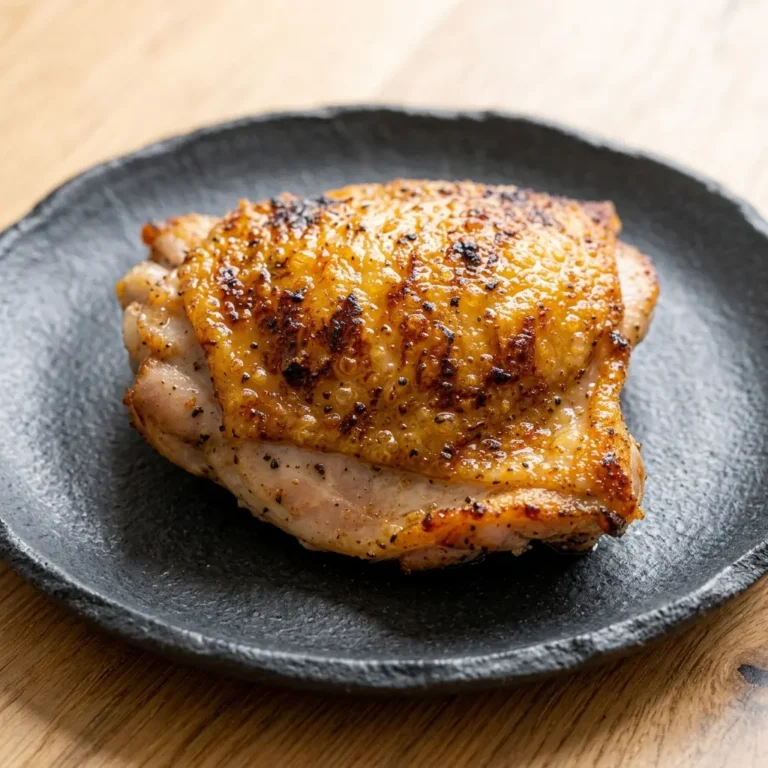
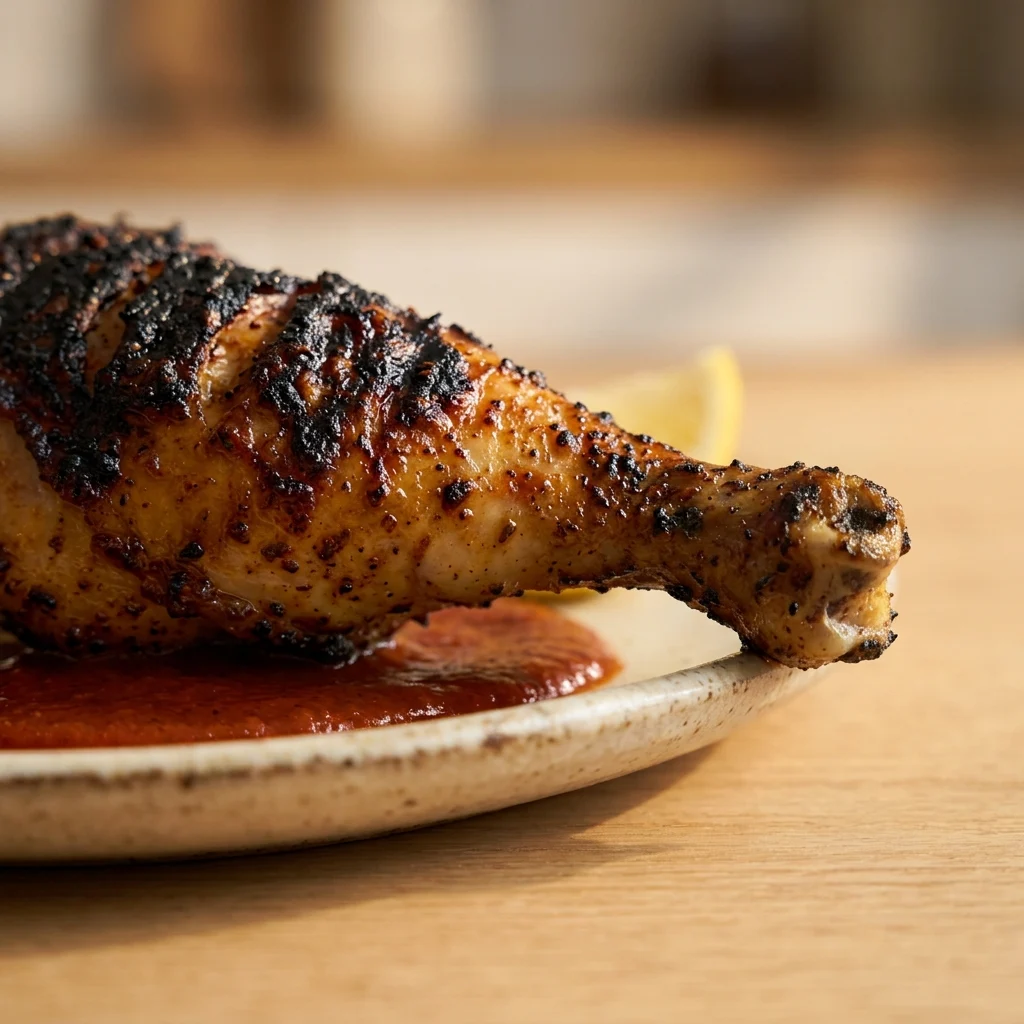
How it should look when it’s ready: the skin is deep red-brown, crisp at the edges and slightly blistered, the juices run clear, and the meat pulls easily from the bone. Use these as clues, but the thermometer is what confirms it’s safe: at least 165°F (74°C).
The sauce is burning under the broiler: move the tray down a shelf, shorten the broil to 1 to 2 minutes, or loosely cover the darkest pieces with foil. Dark and blistered is good; black and bitter is too far.
The chicken is dry: it’s usually overcooked, or you’ve used breast. Take it out as soon as it hits 165°F (74°C), rest it, and use thighs next time.
The skin isn’t crisp: the tray is probably crowded or the chicken is sitting in liquid. Use a wire rack, leave space between pieces, and finish under the broiler.
It’s too hot: serve it with rice, a cooling yogurt or mayo-based dip, or coleslaw, and use fewer chillies next time. Mixing a spoonful of the clean reserved sauce into mayo makes a milder dipping sauce.
It’s too mild: stir finely chopped fresh chilli or a pinch of chilli flakes into the reserved sauce at the table.
Cooking for a different number of people: for 2, halve everything (2 thighs, 2 drumsticks). For 6 to 8, use two trays so the chicken isn’t crowded, and make a full batch of sauce per 4 servings so there’s enough to reserve.
Oven vs Grill vs Air Fryer
| Method | Char | Time (estimate) | Notes |
|---|---|---|---|
| Oven + broiler | Good | About 45 min at 220°C (425°F) | The method used here, works in any kitchen |
| Grill / BBQ | Best | About 30 to 40 min over medium heat, turning | Closest to flame-grilled, watch for flare-ups from the oil |
| Air fryer | Good | About 25 to 30 min at 190°C (375°F), in batches | Smaller batches, skin gets very crisp |
Times are estimates and vary with piece size and appliance. Whichever method you use, cook until the thickest part reaches 165°F (74°C).
Pieces vs Whole Spatch cocked Chicken
| Option | Cook time | Pros | Cons |
|---|---|---|---|
| Thighs and drumsticks | About 45 min | Juicy, forgiving, even cooking | More pieces to handle |
| Spatchcocked whole chicken (about 1.6 kg / 3.5 lb) | About 45 to 55 min at 220°C (425°F) | Looks impressive, closest to the restaurant style | Breast can dry out, so check both breast and thigh reach 165°F (74°C) |
To spatchcock, cut out the backbone with strong kitchen scissors and press the chicken flat. Marinate and cook it the same way, basting for the last 10 minutes.
Pro Tips
- Taste the sauce before the chicken goes in, and adjust salt, lemon and heat then. You can’t fix it afterwards.
- Use a wire rack so the hot air reaches the underside and the skin crisps all over.
- Serve the sauce left in the jar warm or cold as a dipping sauce. It never touched raw chicken or the basting brush, so it’s safe.
- Rest the chicken before cutting, so the juices stay in the meat.
- Slash the skin and flesh lightly. It’s the easiest way to get flavour all the way through.
- Wash the board, tongs and tray you used for raw chicken before they touch anything cooked.
Variations
Lemon and Herb (Mild): Skip the chillies, use one extra roasted red pepper, more oregano and extra lemon zest.
Piri Piri Chicken Wings: Marinate wings the same way and cook in the air fryer at 200°C (400°F) for about 25 minutes, flipping halfway, until they reach 165°F (74°C).
Piri Piri Chicken Burgers or Wraps: Use boneless, skinless thighs, cook until 165°F (74°C), slice, and serve in a bun or wrap with lettuce, tomato and a creamy mayo.
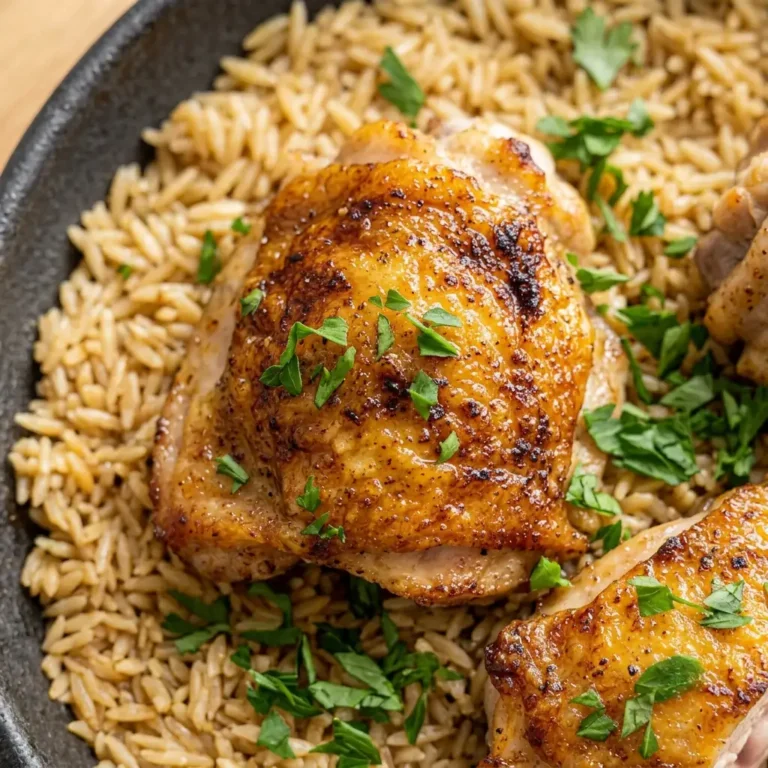
Piri Piri Chicken and Rice Tray Bake: Roast the chicken on top of a tray of seasoned rice and stock.
Whole Spatchcocked Piri Piri Chicken: See the table above.
What to Serve With
- Chips or fries, and a simple spiced rice, the classic pairing
- Corn on the cob, a crunchy coleslaw, or a green salad with a lemony dressing
- Mushy peas with mint, for a Nando’s-style side
- Best Grilled Chicken Thighs — Perfectly Juicy Every Time for more on grilling chicken
- Best Easy Grilled Chicken Marinade — 5 Ingredients for a quicker marinade for another night
- Best Crispy Baked Chicken Drumsticks — Perfectly Golden for another oven method with crisp skin
- Best Air Fryer Chicken Thighs — Perfectly Crispy in 20 Minutes if you’d rather use an air fryer
- Best One Pan Chicken and Rice — Dinner Ready in 30 Minutes for a simple rice side or alternative
Storage and Reheating
Get it in the fridge fast. Cooked chicken should go into the fridge within two hours (one hour if it’s hot where you are). Dividing it into shallow containers helps it cool faster.
Fridge: Up to 3 to 4 days in an airtight container.
Reheat: Heat the chicken until it reaches 165°F (74°C) in the thickest part, checked with a thermometer. An oven or air fryer at 180°C (350°F) helps the skin crisp again. A microwave is quicker but leaves the skin soft.
Freeze (cooked): For best quality, use within 2 to 3 months. Thaw overnight in the fridge, never on the counter, and reheat to 165°F (74°C).
Freeze (raw, in the marinade): You can freeze the chicken in the marinade for a ready-to-cook meal. For best quality, use it within a few months, thaw it in the fridge, and cook it promptly once thawed.
Reserved sauce: Keep it refrigerated and use it within 3 to 4 days. It contains raw garlic and fresh chilli, so discard it if it has been left out at room temperature for an extended period.
Best Piri Piri Chicken Nando’s Style Copycat
Ingredients
Equipment
Method
- Blend the Marinade Wearing gloves, blend chilies, garlic, peppers, lemon zest and juice, vinegar, oil, paprika, oregano, sugar, salt and pepper until mostly smooth.
- Reserve Basting Sauce Pour about a third (100ml) into a clean jar, cover and refrigerate. Keep it away from anything that has touched raw chicken, including the basting brush.
- Marinate Pat chicken dry, slash the skin and meat, and coat in the remaining marinade. Cover and refrigerate for 4 to 24 hours.
- Heat the Oven Heat to 220°C (425°F), 200°C fan. Set a wire rack on a lined tray.

- Arrange Lift out the chicken, shake off the excess, and place skin-side up with space between pieces. Discard the leftover marinade.
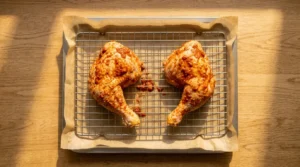
- Roast Roast for 30 minutes.
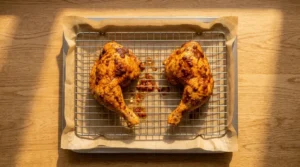
- Baste Spoon about 3 tbsp of the reserved sauce into a clean bowl and brush the chicken from that bowl only (never back into the jar). Discard what's left in the bowl. Roast 8 to 10 minutes more, until at least 165°F (74°C) in the thickest part, not touching bone.
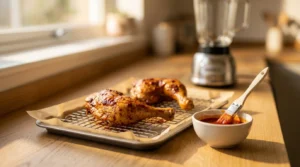
- Broil Broil on high for 2 to 3 minutes, watching closely.
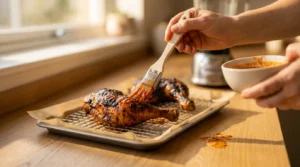
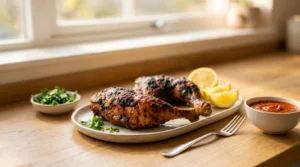
- Rest and Serve Rest 5 to 10 minutes. Serve with the rest of the reserved sauce, parsley and lemon wedges.
Notes
Nutrition Info (per serving, based on 4 servings)
| Nutrient | Amount |
|---|---|
| Calories | 460 |
| Protein | 40g |
| Fat | 32g |
| Carbohydrates | 3g |
This is an estimate for chicken thighs and drumsticks with skin, assuming roughly 40% of the marinade stays on the chicken and some fat renders off during roasting. It doesn’t include sides. It will vary with ingredient brands and the cuts you use, so check it with your own nutrition calculator for exact figures.
FAQs
Q: What’s the difference between piri piri and peri peri?
A: They’re two spellings of the same sauce and style. Nando’s uses “peri-peri”, and many UK and US recipes use both.
Q: How hot is this piri piri chicken?
A: With 6 bird’s eye chillies it’s properly hot. For medium, use 3 to 4. For mild, use 1 to 2 with the seeds removed and add an extra roasted pepper. See the heat guide above.
Q: Can I use chicken breast?
A: Yes, but bone-in, skin-on breast is best, and it needs careful watching. Take it out at 165°F (74°C), because breast dries out faster than thighs.
Q: Can I make piri piri chicken without bird’s eye chillies?
A: Yes. Use red Fresno or red jalapeño chillies with a little cayenne, or dried chilli flakes, and taste as you go.
Q: How long should I marinate piri piri chicken?
A: At least 4 hours and up to 24, in the fridge. About 12 hours is the sweet spot. Don’t go past 24, because the acid will soften the texture and raw chicken only keeps a day or two.
Q: Can I use the marinade as a sauce?
A: No. Once it’s touched raw chicken it’s contaminated. Set aside a portion of the sauce before marinating and use that for basting and serving.
Q: How do I get crispy skin?
A: Cook on a wire rack, don’t crowd the tray, start at 220°C (425°F), and finish under the broiler for 2 to 3 minutes.
Q: What temperature should piri piri chicken reach?
A: At least 165°F (74°C) in the thickest part, not touching the bone, per USDA guidance. Dark meat tastes better at 175–185°F.
Q: Can I make it on a barbecue?
A: Yes. Cook over medium heat for about 30 to 40 minutes, turning often, and baste with the reserved sauce for the last 10 minutes. Watch for flare-ups.
Q: Can I make it ahead?
A: Marinate it the night before and cook it fresh. If you cook it ahead, cool it quickly, refrigerate it, and reheat it to 165°F (74°C).
Is Piri Piri Chicken Worth Making at Home?
Yes, especially if you like the restaurant version and want to control the heat, the ingredients and the cost. The marinade comes together in minutes, it works as a make-ahead dinner, and the one extra step, reserving a portion of the sauce, makes it better and safer. Once you’ve done it, it’s hard to go back to bottled hot sauce.
Final Note
Good piri piri chicken isn’t about one secret ingredient. It’s a balanced marinade, high heat, a fresh finishing sauce and proper handling of raw chicken and chillies. Get those right and you end up with juicy, smoky, deeply savoury chicken with a heat you chose yourself.
Save or pin this recipe for your next dinner, then tell me in the comments what heat level you went for. If you want more chicken dinners, try the grilled chicken thighs or the crispy baked drumsticks linked above.